CrossBoundary Group
- Filter byAll
- Filter byAnnouncement
- Filter byArticle
- Filter byBlog
- Filter byNews Clip
- Filter byOpinion
- Filter byPress Release
- Filter byPublication
- Filter byReport
- Filter byVideo
- Filter byWhite paper
-

The future of African private equity & venture capital: Key insights from AVCA Conference 2025
Africa’s private capital markets are maturing, but success requires a nuanced approach—one that balances optimism with pragmatism, global perspectives with local expertise, and financial returns with measurable impact.
-

Reimagining humanitarian action: Insights from CrossBoundary at the 2025 World Bank/IMF Spring Meetings
Today’s humanitarian sector faces unprecedented challenges. Escalating global crises, prolonged conflicts, and the impacts of climate change have placed intense pressure on traditional aid models just as donor funding is stagnating or declining.
-

Navigating Africa’s critical minerals landscape: Opportunities for strategic, equitable Investment
Africa sits at the center of the global critical minerals conversation — not just for the scale of its resources, but for the role it can play in shaping a more resilient, transparent, and sustainable global supply chain.
-
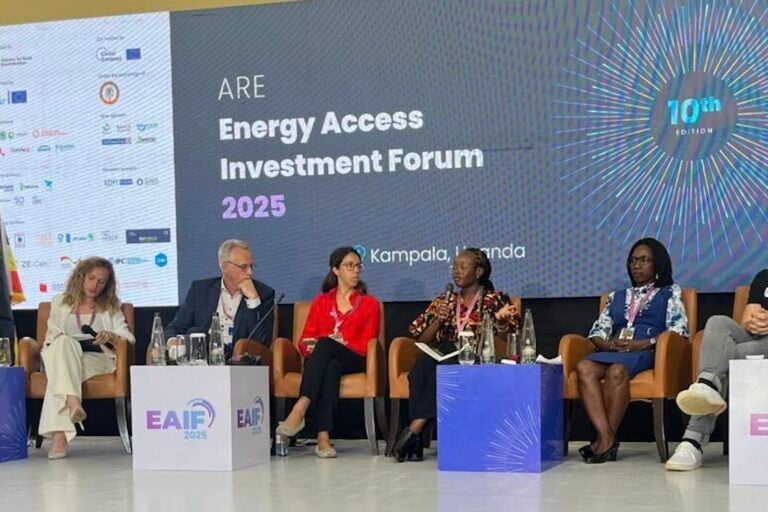
CrossBoundary Access on trends to watch in Africa’s mini-grid financing sector
Senior Investment Associate, Terry Otinga, recently participated in a panel at the Alliance for Rural Electrification's 10th Energy Access Investment Forum. Drawing from our work financing mini-grids across rural Africa, she shares 3 key trends the team has observed.
-
Unlocking Carbon Finance: a project finance Masterclass by CrossBoundary and Gold Standard
The carbon market landscape offers promising avenues for advancing sustainability goals and addressing climate challenges. Yet, navigating these markets can be challenging, especially for those new to the field.
-
Unlocking Carbon Finance: download an Excel-based model
-

Mycelium advantage: mushroom-based insulation for Africa’s construction boom
As Africa experiences rapid urban growth, the construction sector faces a dual challenge: meeting demand for new housing and doing so sustainably. One Kenyan social enterprise, MycoTile, is stepping up with an innovative solution—insulation panels made from agricultural waste bonded with mushroom mycelium.
-
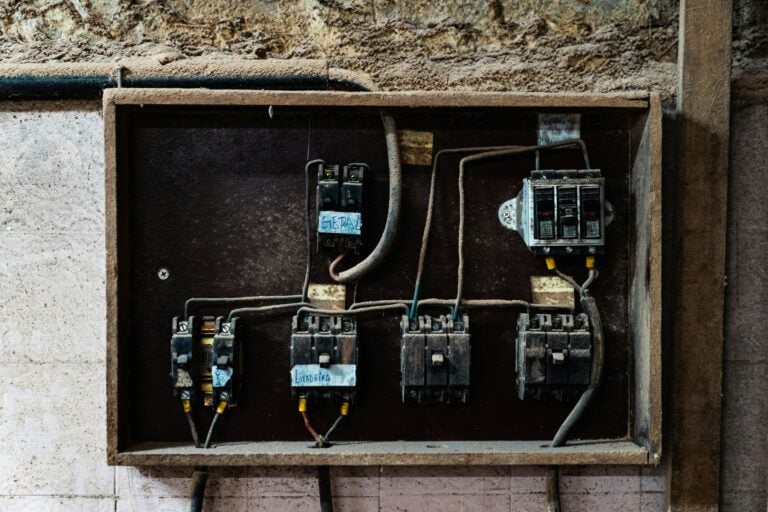
Multi-load metering for reduced costs, accurate billing & tailored tariffs
-
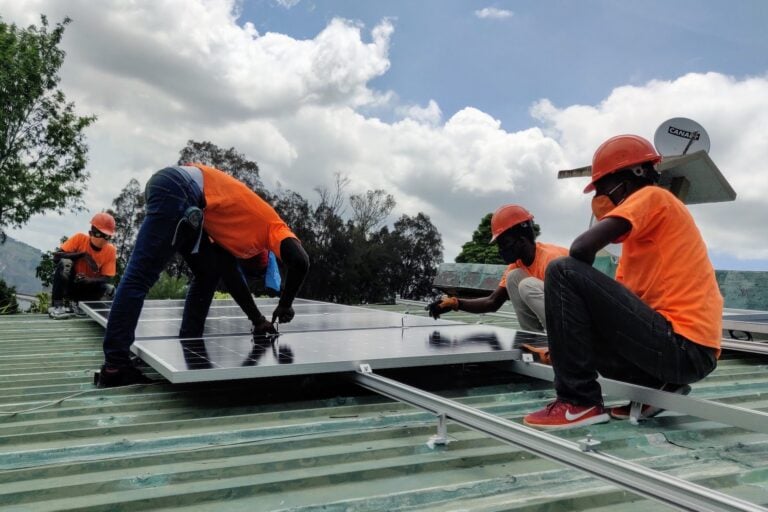
Unlocking Capital for Solar Energy in Haiti – Solengy’s Growth Story
Expanding energy access in frontier markets requires more than capital—it demands a deliberate effort to connect investors with high-potential businesses. Solengy Haiti S.A., a pioneering solar energy provider in Haiti, is a prime example of how investment facilitation bridges this gap.
-
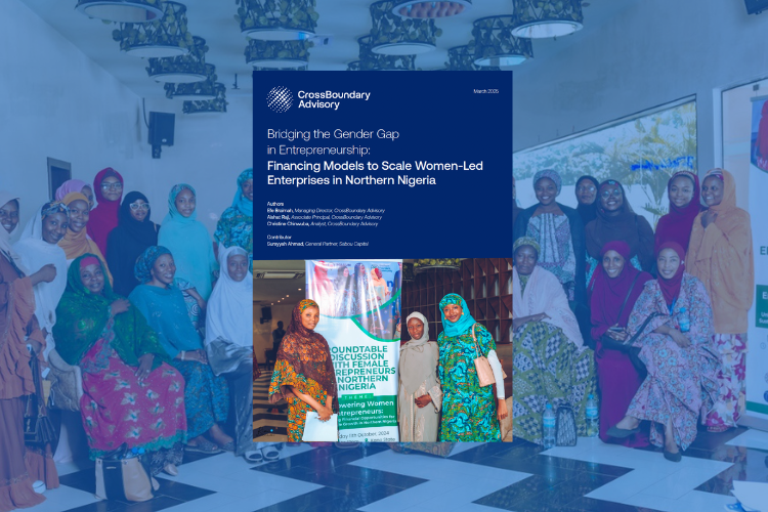
Bridging the Gender Gap in Entrepreneurship: Financing Models to Scale Women-led Enterprises in Northern Nigeria
Women across Africa consistently receive significantly less funding than their male counterparts. According to Africa: The Big Deal, in 2023, women-led ventures in Africa raised just above $200 million.