CrossBoundary Group
- Filter byAll
- Filter byAnnouncement
- Filter byArticle
- Filter byBlog
- Filter byNews Clip
- Filter byOpinion
- Filter byPress Release
- Filter byPublication
- Filter byReport
- Filter byVideo
- Filter byWhite paper
-

Investment Facilitation: A new tool for economic development
In 2013 we collaborated with the Center for Strategic and International Studies (CSIS) to suggest a new approach to attracting private investment into overlooked and underserved economies.
-

Connecting Investment and Economic Development Best Practice
COVID-19 is causing countries in Africa and other parts of the developing world to face multiple overlapping crises: the pandemic itself, a wider health crisis, a food security crisis and an economic crisis that is further exacerbated by low commodity prices and a decline in global travel and trade as well as financial flows.
-

Investment Facilitation Revisited
-
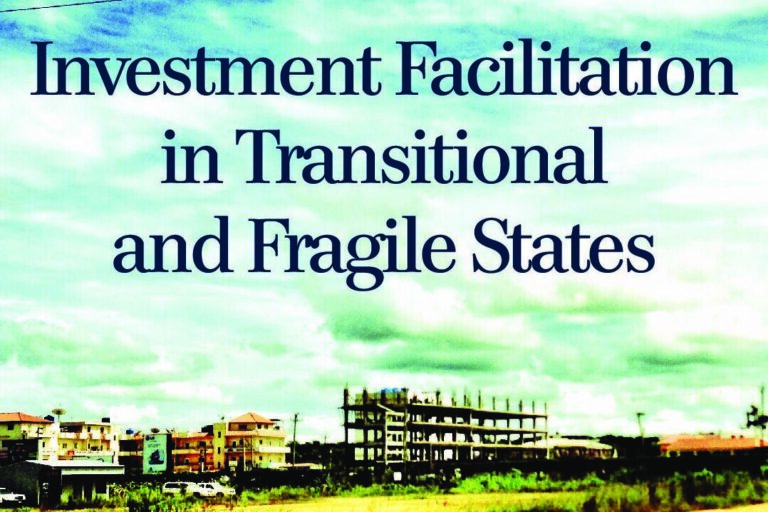
Investment Facilitation in Transitional and Fragile States
This paper outlines a new tool for policymakers to deploy to encourage private-sector development in developing nations. Specifically it argues that in fragile states there are systemic failures that cause an intermediation gap between sources of capital and entrepreneurs seeking investment. This gap prevents investment by raising transaction costs and exacerbating information asymmetry.
-

Call for expression of interest: General partner for Pan-African secondary fund
This call is issued as a market engagement exercise and does not constitute a formal procurement process. The Taskforce reserves the right to engage additional candidates outside this process and to modify or discontinue the process at any time.
-

Building institutional readiness: a guide for first-time fund managers
Through our recent work supporting first-time fund managers as they prepared to raise institutional capital, we've seen many of the same challenges emerge. While every fund is different, institutional investors tend to ask the same questions and look for the same qualities before committing capital.
-

What five days at Aspen Ideas Festival taught me about leading in an uncertain world
CrossBoundary Advisory’s Chief Operating Officer Christy Sisko attended the 2026 Aspen Ideas Festival as a Fellow — one of a select group of leaders invited to participate in a dedicated seminar alongside the broader festival programming.
-
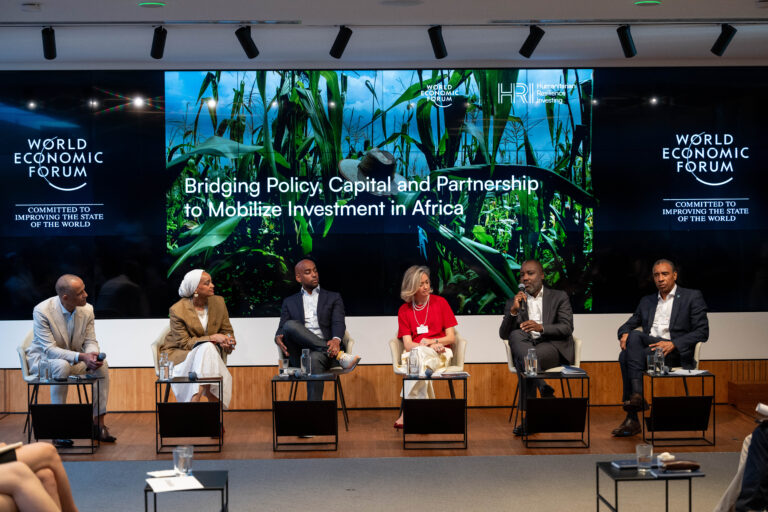
Why investment in Africa stalls before financial close — and how to fix it
Africa's emerging markets continue to attract growing interest from investors seeking both commercial returns and measurable impact. That momentum is increasingly reflected in capital commitments.
-
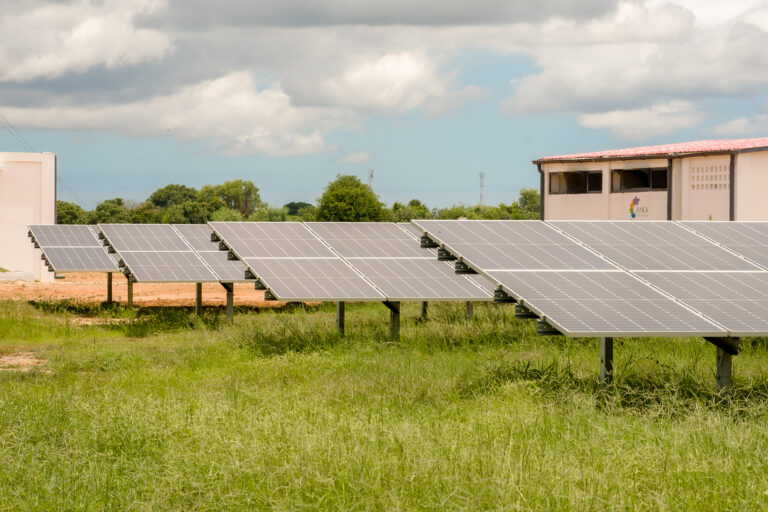
IFC Backs CrossBoundary Access with US$10 Million Equity Investment
-

Carbon Offtake Guide by CrossBoundary and Symbiosis Coalition
-
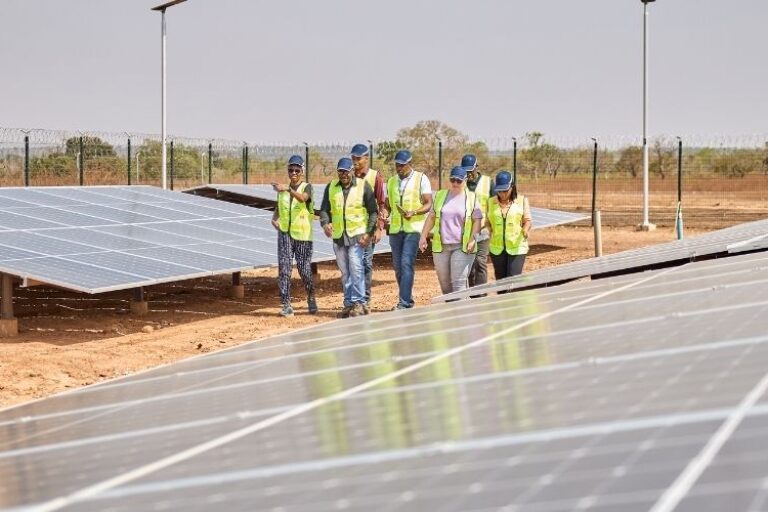
Electrifying Opportunity: Mini-Grids in Rural Nigeria
-
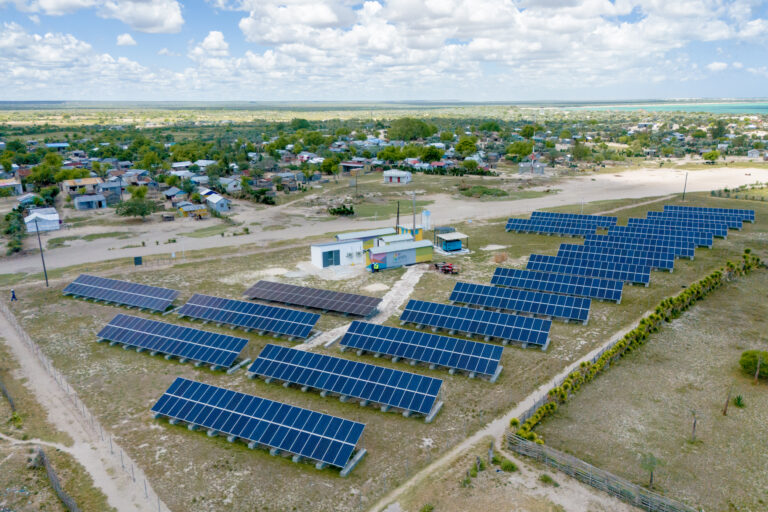
Powering Livelihoods in Madagascar
-

Why do African women opt out of growth capital?
Across parts of Africa, women running viable businesses are making a deliberate choice to stay outside the formal credit system. The real question is whether the system is making them an offer they would actually say yes to.
-
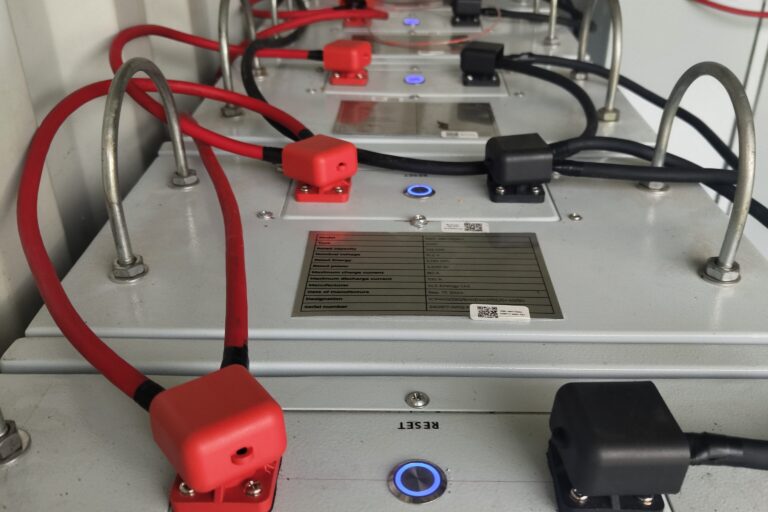
Second-life batteries could help scale energy access in Africa, but efficient cross-border movement will be critical to deployment at scale
Second-life batteries in Africa could lower mini-grid storage costs by up to 28%. But before these repurposed electric vehicle (EV) batteries can help power homes, businesses, and communities across the continent, they first need to navigate a far less visible challenge: crossing borders.