Cross-Border Movement of Second-Life Batteries in Africa – Stakeholder Workshop Readout
This workshop forms part of CrossBoundary Innovation Lab’s second-life battery initiatives, funded by the Transforming Energy Access (TEA) platform. TEA is funded by the UK government’s Foreign, Commonwealth & Development Office (FCDO) through its Global Research and Technology Development (GRTD) portfolio, and is part of the UK’s Ayrton Fund.

This workshop forms part of CrossBoundary Innovation Lab’s second-life battery initiatives, funded by the Transforming Energy Access (TEA) platform. TEA is funded by the UK government’s Foreign, Commonwealth & Development Office (FCDO) through its Global Research and Technology Development (GRTD) portfolio, and is part of the UK’s Ayrton Fund.
CrossBoundary’s Mini-Grid Innovation Lab convened stakeholders from across the second-life battery ecosystem, including battery manufacturers and repurposers, standards and regulatory bodies, development partners and industry associations, to discuss how second-life batteries can move safely and efficiently across African borders.
The workshop built on the Lab’s second-life battery prototypes and a real-world import/export simulation run by Vittoria Technology that tracked battery packs and reusable cells across East, West, Central and Southern Africa. The simulation assessed how existing customs processes, HS-code classifications, and documentation requirements affect cross-border movement.
The findings showed that second-life battery packs can move through existing trade systems as usable products, but classification, documentation and certification requirements remain inconsistent across markets and could become more challenging at commercial scale.
Workshop participants highlighted the need for clearer regulatory guidance, adequate testing and certification, stronger recognition of national standards bodies, and greater regional harmonization, while maintaining safeguards that distinguish reusable batteries from waste.
Workshop Objectives and Why This Matters Now
The rapid growth of electric mobility is creating a growing supply of batteries that no longer meet EV performance requirements but can retain 70–80% of their original capacity1, creating an opportunity for reuse in stationary applications such as mini-grids. Realizing this opportunity in Africa will require not only proving the technical viability of second-life batteries, but also enabling batteries and cells to move safely, predictably and affordably across borders as regional supply chains develop.
The purpose of the workshop was to review findings from the import/export simulation and:
- Discuss applicable customs, HS-code classification, and documentation requirements.
- Consider whether tested cells intended for reuse can move under the same HS classification as new cells, supported by appropriate documentation, or whether a separate designation or procedure is needed.
- Identify key regulatory and customs barriers to cross-border movement.
- Develop practical recommendations on classification, documentation and certification, including priority actions and stakeholder roles to support a clearer, regionally harmonized framework.
Who Joined?
The workshop brought together stakeholders from across the second-life battery and e-mobility ecosystem, including battery manufacturers and repurposers, development partners and donors, technology companies, and regional trade and policy actors.
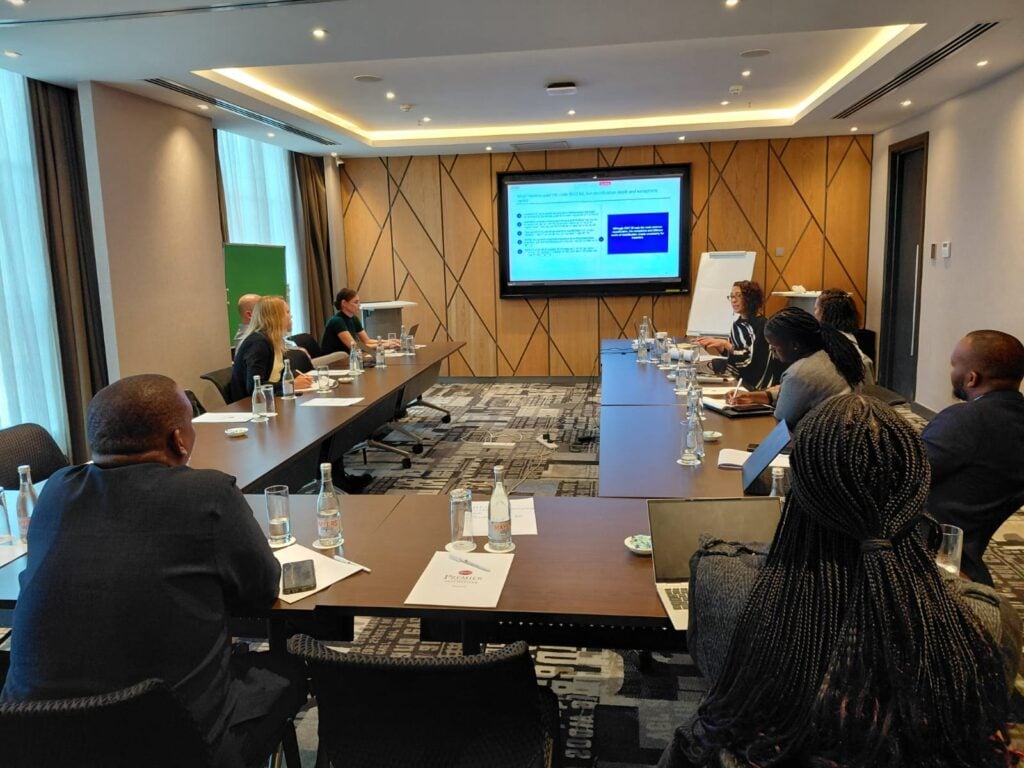
Figure 1: Stakeholders from the battery ecosystem discuss pathways for cross-border trade of second-life batteries
Import/Export Simulation: Testing Cross-Border Movement of Second-Life Batteries
The import/export simulation formed part of the Lab’s broader second-life battery work aimed at addressing systemic barriers to scaling second-life batteries for stationary energy storage in Africa. Alongside standardized battery diagnostic testing and a recoverable battery-pack design, the prototype focused on another key barrier: moving second-life batteries and reusable cells across borders.
Cross-border movement is important to the second-life battery value chain because batteries and cells may become available in one market, be tested or repurposed in another, and ultimately be deployed elsewhere. However, differences in classification, documentation, certification and other regulatory requirements can increase the time, cost and uncertainty associated with these movements. The study therefore explored whether greater harmonization of import/export requirements could improve regulatory clarity and reduce compliance costs, hypothesizing that a more harmonized approach could reduce compliance time by up to 75%.
To test this in practice, the Lab and Vittoria Technology physically moved second-life battery packs and reusable cells through real logistics and customs processes, documenting the procedures, HS-code treatment, documentation and certification requirements encountered in each market. The simulation covered routes across East, West, Central and Southern Africa, as well as two cell movements within East Africa, using batteries and cells from manufacturers including Soleil Power, Hinckley, Enviroserve and Lagazel.
Through these movements, the simulation identified practical barriers to cross-border trade and opportunities to improve classification, documentation, certification and regulatory harmonization. These findings were subsequently presented during the stakeholder workshop, where participants validated the Lab’s experience and identified actions that could enable more predictable and efficient cross-border movement as the second-life battery sector scales.
Key Findings from the Import/Export Simulation
The simulation generated four key findings:
- Existing classifications can accommodate second-life battery packs, but implementation is inconsistent. Finished lithium-ion packs generally moved under HS code 8507.60, but countries applied different levels of classification and exemptions. Reusable cells were less consistently classified and attracted greater scrutiny.
- Clear product presentation and documentation are critical. Professionally packaged products, consistent descriptions, credible commercial values and supporting technical documentation helped demonstrate that batteries and cells were usable products rather than waste.
- Requirements vary considerably between markets. Commercial invoices and packing lists were consistently required, while requirements for MSDS, certificates of origin, inspections and other documents varied.
- Commercial scale could introduce substantially greater certification requirements. The simulation shipments were small enough to avoid PVoC (Pre-Export Verification of Conformity to standards) and other conformity requirements that can apply to larger consignments. These requirements could materially increase the cost and complexity of second-life battery trade at scale.
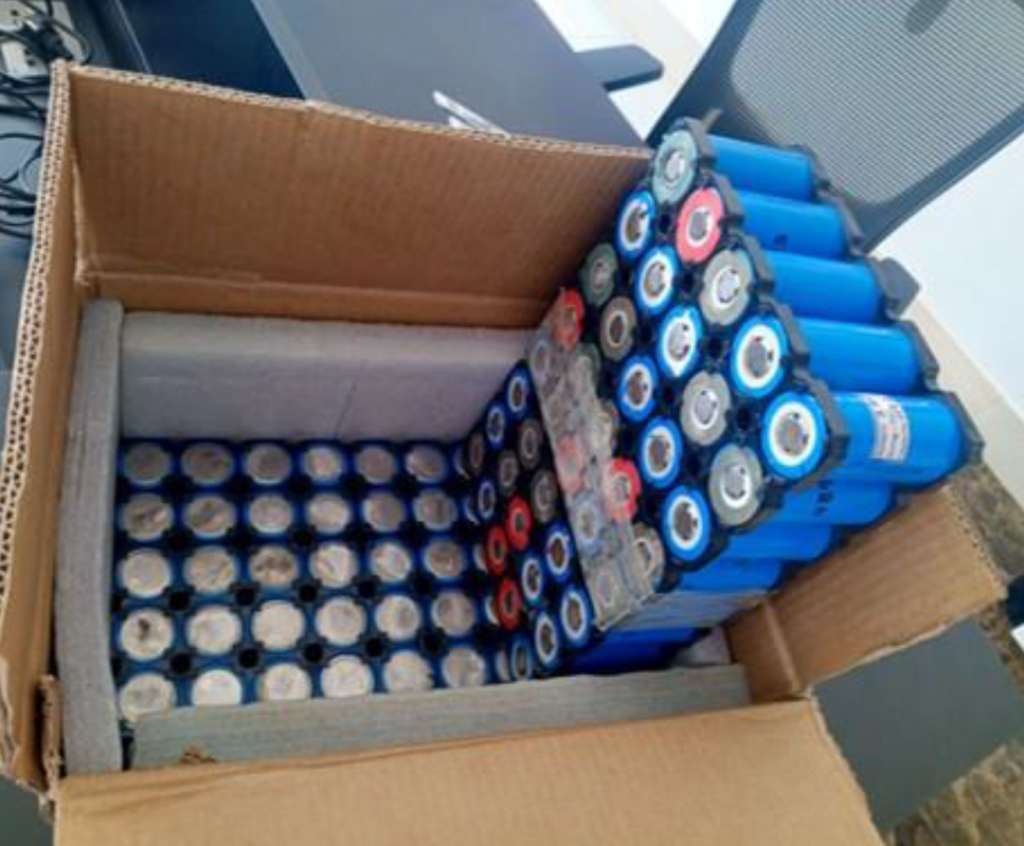
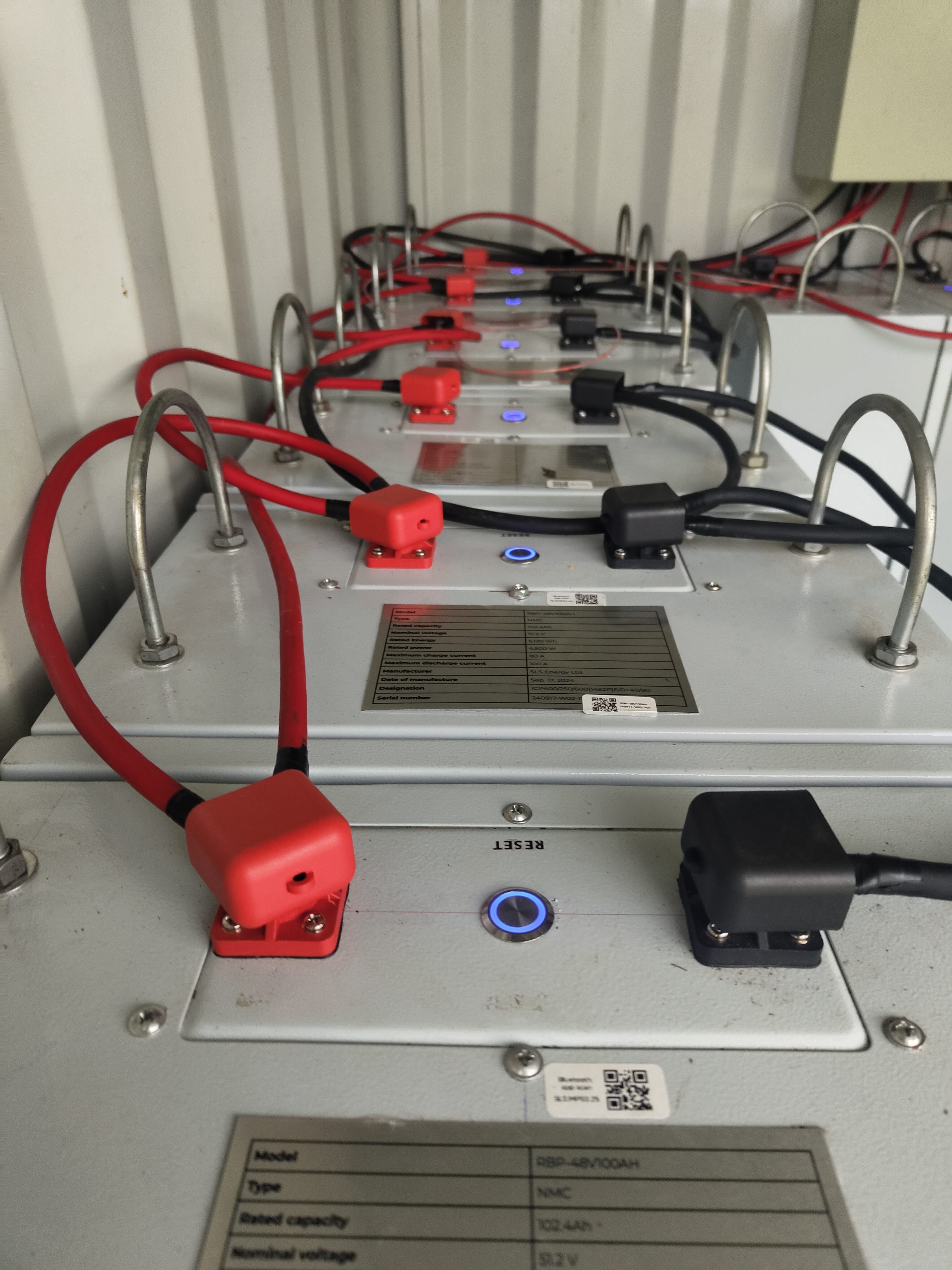
Figure 3: Soleil Power second-life battery cells prepared for cross-border movement as part of the simulation.
Key Takeaways from the Workshop
The workshop largely validated the findings from the import/export simulation, while highlighting several considerations for enabling second-life battery trade at scale.
- Clearer classification and import procedures are needed. Existing HS codes can accommodate second-life batteries, but interpretation and application vary across markets. Stakeholders recommended maintaining the existing HS classification while improving consistency in its application in the near term. Longer term, a dedicated HS code for second-life batteries could be considered to provide greater clarity, potentially advanced through the African Continental Free Trade Area (AfCFTA).
- National standards bodies could provide a practical route to verification. Certification in the country of manufacture, supported by recognition across markets, could reduce reliance on repeated third-party verification and lower compliance costs.
- Environmental safeguards need to develop alongside easier trade. Clear frameworks are needed to distinguish tested batteries and cells with remaining useful life from waste. Testing, traceability and appropriate end-of-life management will become increasingly important as the market grows.
- Regional coordination could reduce country-by-country complexity. Requirements remain country-specific even within regional trading blocs. Regional Economic Communities could provide platforms for greater alignment and recognition of national standards and certification.
- Clearer regulation could support regional SLB value chains. Beyond facilitating trade, regulatory clarity could support local repurposing and manufacturing, job creation, greater circularity and access to lower-cost energy storage.
Priority Actions for Enabling Cross-Border Second-Life Battery Trade
The workshop identified priority actions that can be pursued within existing systems, alongside longer-term regulatory and regional changes.
- Strengthen documentation and pre-clearance practices. Manufacturers and importers should clearly document product classification, intended use, battery condition and origin, and engage relevant authorities before shipment to reduce uncertainty at borders.
- Clarify national classification and certification requirements. National standards bodies, customs authorities and environmental regulators should establish clearer requirements for treating tested second-life batteries as reusable products rather than waste and define appropriate verification pathways.
- Work towards regional harmonization and mutual recognition. Regional Economic Communities could support alignment of standards, import requirements and recognition of certification undertaken by credible national standards bodies, reducing duplication across markets.
- Use industry networks to strengthen the evidence base. Industry and sector associations can consolidate experiences from manufacturers and importers and use this evidence to support national and regional policy engagement.
Next Steps
The next phase will focus on translating the evidence from the simulation and workshop into practical guidance and policy engagement to support safe, efficient and scalable cross-border movement of second-life batteries.
- The Lab and Vittoria Technology will complete the remaining import/export routes and publish the simulation findings, providing practical evidence on the requirements and barriers encountered across markets.
- The Lab and Vittoria Technology will develop a concise policy brief translating the findings into recommendations for policymakers, including the economic case for clearer regulation, classification and certification of second-life batteries. The brief will be submitted to the United Nations Environment Programme (UNEP) for dissemination and engagement with relevant regional bodies, including the East African Community (EAC), Southern African Development Community (SADC) and Economic Community of West African States (ECOWAS).
- UNEP will support the consolidation of relevant research and reports from across the battery ecosystem, while the Lab will engage EV, solar and other industry associations to share findings, aggregate industry experience and identify opportunities to present the evidence through relevant sector forums and government channels.
Workshop Resources
Related Insights
View all-
 Innovation Lab29.05.2026Article
Second-life batteries could help scale energy access in Africa, but efficient cross-border movement will be critical to deployment at scale
-
 Innovation Lab08.12.2025Article
Bridging Continents Workshop at COP30: Scaling Mini-Grid Solutions from Africa to the Americas
-
 Innovation Lab30.07.2025Publication
Second-life batteries offer up to 28% cost savings for mini-grid storage while advancing Africa’s electrification goals