Second-Life Battery Diagnostics Testing Protocols – Stakeholder Workshop Readout
This workshop forms part of CrossBoundary Innovation Lab’s second-life battery initiatives, funded by the Transforming Energy Access (TEA) platform. TEA is funded by the UK government’s Foreign, Commonwealth & Development Office (FCDO) through its Global Research and Technology Development (GRTD) portfolio, and is part of the UK’s Ayrton Fund.

This workshop forms part of CrossBoundary Innovation Lab’s second-life battery initiatives, funded by the Transforming Energy Access (TEA) platform. TEA is funded by the UK government’s Foreign, Commonwealth & Development Office (FCDO) through its Global Research and Technology Development (GRTD) portfolio, and is part of the UK’s Ayrton Fund.
As electric mobility and battery-powered applications expand, growing volumes of lithium-ion batteries will reach the end of their first life while still retaining 70–80% of their original capacity, making them suitable for second-life applications. Repurposing these batteries for stationary energy storage could extend their useful life, reduce battery costs and support more circular battery value chains. However, scaling second-life batteries (SLBs) will depend on the ability to determine, consistently and cost-effectively, which batteries and cells remain safe and suitable for reuse.
Today, second-life battery manufacturers use broadly similar approaches to assess battery health, including capacity, internal resistance and self-discharge testing. However, testing procedures, thresholds and sorting criteria vary between operators, making it difficult to establish common quality and certification requirements.
To address this challenge, CrossBoundary’s Mini-Grid Innovation Lab and Soleil Power, have been developing and testing a baseline diagnostic protocol for second-life battery cells. The work mapped existing industry practices, identified the core tests needed to assess battery health and performance, and evaluated whether rapid diagnostic technologies could reduce the time and cost of testing batteries for reuse. The study hypothesizes that standardized testing could reduce pack-level failures due to faulty cells by 40–50% and reduce testing and certification costs by 20%.
The Lab convened second-life battery manufacturers, standards bodies and other battery-sector stakeholders to review the proposed protocol and emerging results, and discuss how standardized testing could inform national standards, certification and longer-term regional harmonization.
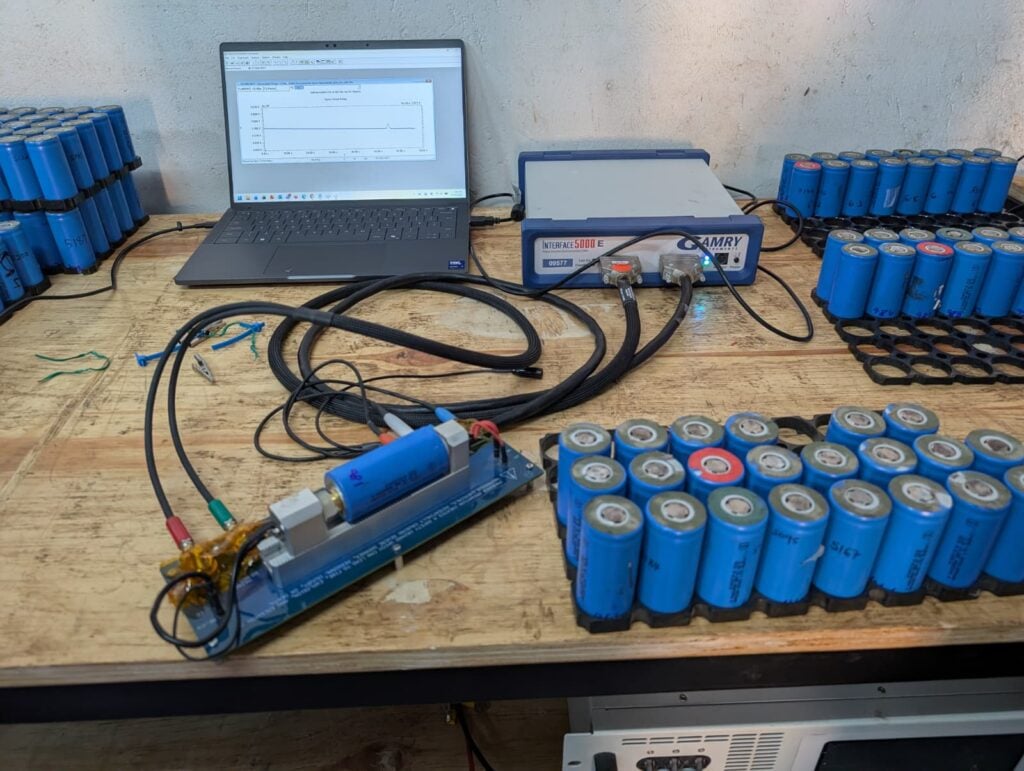
Figure 1: MMER testing of second-life cells to assess cell health and evaluate its potential as a rapid screening tool
Workshop Objectives and Why This Matters Now
The rapid growth of electric mobility and other battery-powered applications is creating a growing supply of batteries that no longer meet the performance requirements of their original applications but can still retain 70–80% of their original capacity, making them suitable for less demanding second-life applications.
For Africa, this presents an opportunity to develop local battery-repurposing value chains and increase access to lower-cost energy storage. However, the economics of second-life batteries depend on more than the availability of used batteries. Repurposers must be able to determine which batteries are suitable for reuse, remove defective cells and assemble reliable products without introducing testing and processing costs that eliminate the price advantage over new batteries. Cost-effective yet reliable testing is therefore central to the second-life battery value chain.
The Innovation Lab’s work found that industry operators already conduct many of the same core diagnostic tests, but there is currently no commonly adopted baseline specifying which tests are essential, how they should be conducted and what constitutes an acceptable cell for reuse.
The purpose of the workshop was to review the Lab’s battery diagnostic testing protocol and findings from ongoing cell and battery pack testing, and to:
- Validate the proposed core tests and testing sequence with industry stakeholders
- Discuss appropriate testing parameters and thresholds for determining whether cells are suitable for reuse
- Explore opportunities to reduce testing time and cost while maintaining safety and quality
- Assess the role of rapid diagnostic technologies in improving the efficiency of second-life battery testing
- Discuss how testing protocols could inform product standards and certification requirements
- Identify practical actions towards greater national and regional standardization of second-life battery testing
Who Joined?
The workshop brought together stakeholders from across the second-life battery ecosystem, including battery manufacturers and repurposers, standards and certification bodies, research institutions, development partners, operators/EPCs (battery offtakers) and industry associations.
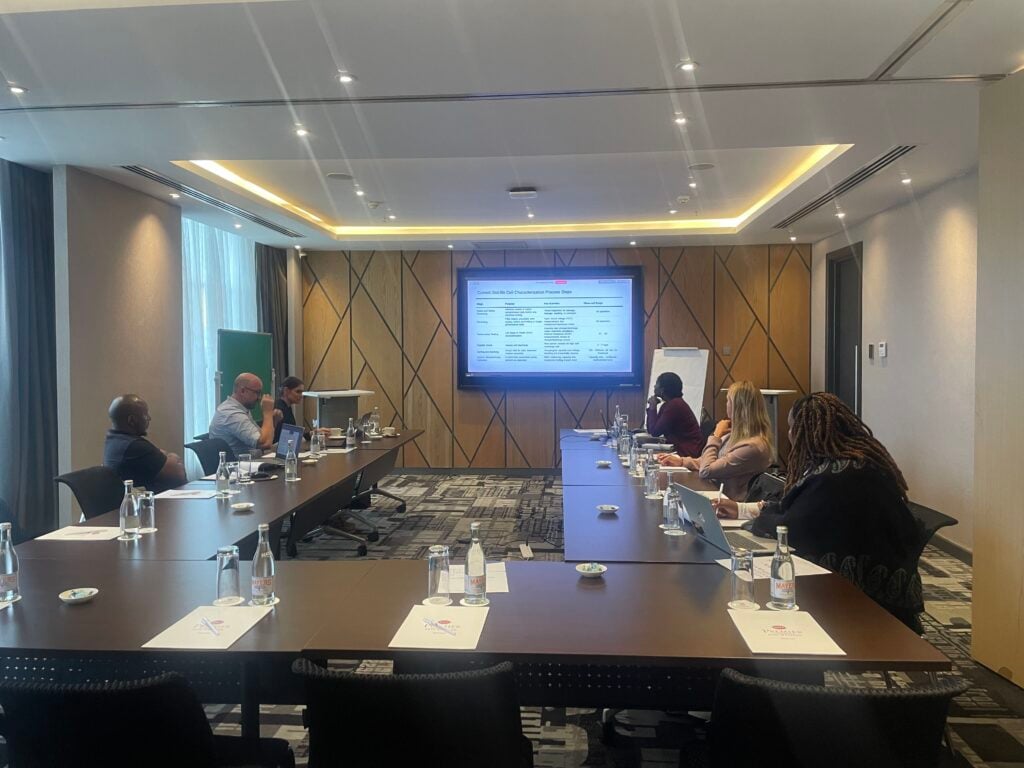
Figure 2: Stakeholders participating in the second-life battery testing workshop
Battery Diagnostics Testing Protocol: Developing a Baseline Approach for Second-Life Cells
The battery diagnostics work forms part of the Innovation Lab’s broader effort to address barriers to scaling second-life batteries in Africa.
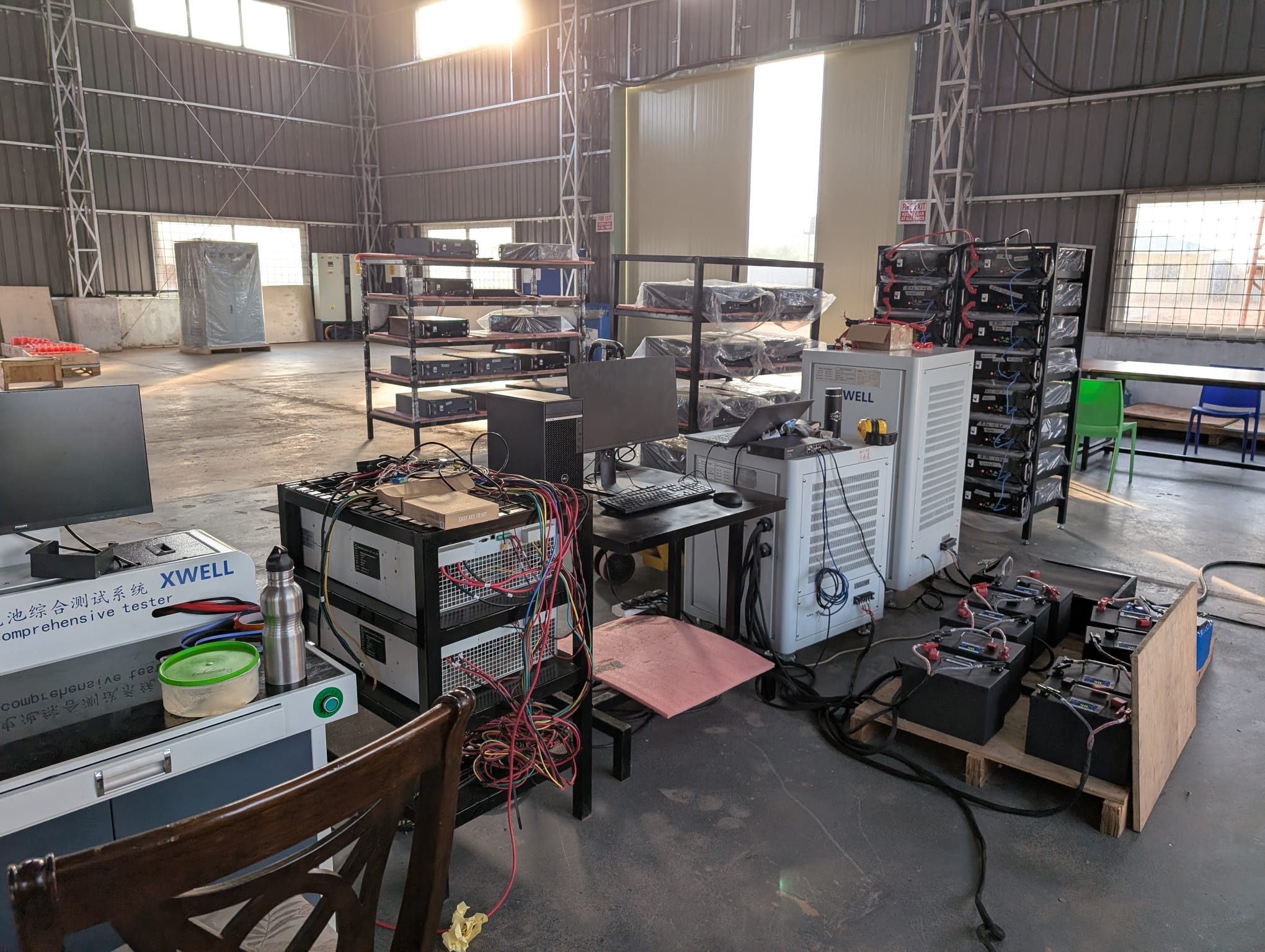
Working with second-life battery manufacturers and technology partners, Soleil Power first mapped the diagnostic approaches currently used by industry operators. This compared the tests performed, testing parameters, equipment, acceptance thresholds and approaches to sorting cells before they are assembled into second-life battery packs.
The assessment found significant convergence in the types of tests being performed:
- Capacity testing, internal resistance and self-discharge emerged as core measures used to assess cell health.
- Visual inspection and voltage measurements are also used to identify unsuitable cells before more time-intensive testing begins.
The greatest variation was not whether cells are tested, but how testing is conducted. Operators use different charge and discharge rates, rest periods, sorting bands, acceptance thresholds and levels of pack-level validation.
Soleil Power subsequently developed a study protocol to evaluate relative pack level performance and began validating it through physical cell and battery-pack testing. Battery packs comprising cells from different cell-sorting approaches were cycled over an extended period to understand whether differences in testing and sorting translated into meaningful differences in pack performance and degradation.
The work also evaluated whether rapid diagnostic technologies such as Multi-channel, Multi-frequency Electrical Excitation Response (MMER), developed by researchers from University College London, could complement or even substitute conventional electrical testing. MMER provides a rapid, non-invasive assessment of battery health, taking measurements in seconds rather than the hours required for conventional capacity testing. The study assessed whether MMER could be used to rapidly screen cells and identify those likely to be suitable for reuse, reducing the number of cells requiring more time-intensive conventional testing and addressing one of the key barriers to scaling second-life battery production, which is the time required to characterize large volumes of cells.
Proposed Second-Life Cell Assessment Process
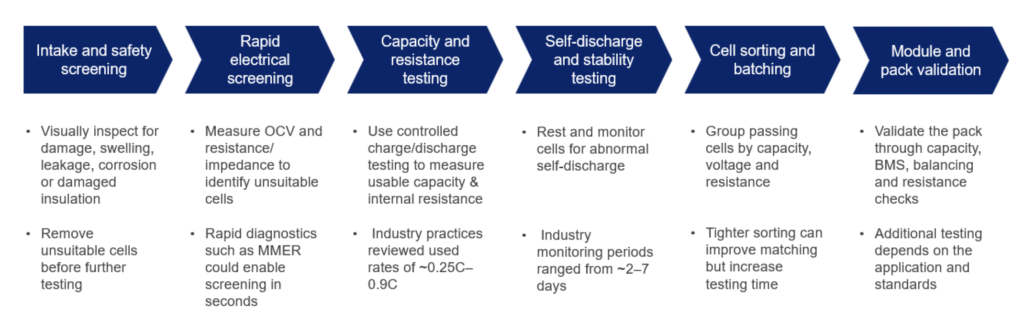
Figure 3: The (Re)Manufacturer experience spans multiple steps from cell sourcing to pack deployment
Based on the mapping of industry practices and ongoing testing, the workshop discussed a practical six-stage assessment process for determining whether second-life battery cells are safe, healthy and suitable for reuse. The process could provide the foundation for a standardized testing protocol, while balancing testing rigor with time and cost.
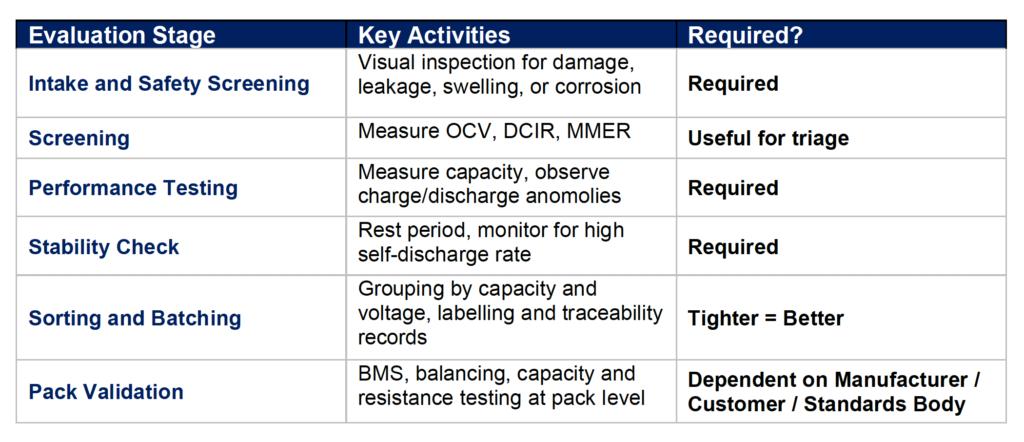
Table 1: Proposed second-life battery cell assessment process, outlining the key testing stages
Key Findings from the Battery Diagnostics Alpha Test
- Core testing practices are already relatively consistent. Manufacturers broadly assess the same parameters, including capacity, internal resistance and self-discharge, alongside visual and voltage screening. Standardization can therefore focus on agreeing on a minimum set of tests, parameters and acceptance criteria rather than developing an entirely new methodology.
- Early testing suggests tighter sorting improves pack consistency. First-life packs showed the lowest cell variation, while tightly sorted second-life packs were more consistent than standard-sorted packs. However, first-life and standard-sorted second-life packs have so far shown relatively similar degradation curves. Long-duration cycling is ongoing to determine whether tighter sorting provides sufficient performance benefits to justify the additional testing effort and cost.
- MMER could significantly reduce screening time, but is not yet a replacement for conventional testing. The Lab tested MMER on more than 2,100 second-life battery cells with preliminary results predicting cell capacity within ~4% error in seconds, compared with hours for a full charge/discharge test. While not yet accurate enough for narrow capacity sorting, MMER could serve as a rapid triage tool to identify unsuitable cells before more time-intensive conventional testing, with further validation required across different cell types, formats and manufacturers.
Key Takeaways from the Workshop
- A minimum testing protocol could help balance quality assurance and cost. Testing, disassembly, labour, certification and rebuilding all add to SLB costs. A standard protocol should therefore define the minimum tests needed to establish safety and suitability for reuse, with additional testing determined by the application or customer requirements.
- More predictable supply could reduce testing costs. Consistent sourcing of the same battery models allows repurposers and manufacturers to better characterize incoming cells and potentially reduce repeated testing and additional, non-recoverable costs associated with redesigns and incompatible equipment. This remains challenging in Africa, where supply is often low-volume, intermittent and fragmented across battery types and manufacturers.
- Existing standards may not fully reflect second-life manufacturing. Standards developed for new batteries assume relatively consistent products, while the cells used in SLB packs may change between batches. Stakeholders therefore discussed greater emphasis on certifying the repurposing process and quality controls, rather than repeatedly certifying changing product configurations.
- Standards development will need to be matched by testing capacity and regional harmonization. The Kenya Bureau of Standards (KEBS) indicated that Kenya does not currently have a dedicated SLB standard and is still assessing the technical capabilities and equipment required to test these products. More broadly, stakeholders highlighted limited access to accredited testing facilities for internationally recognized battery certification. Alongside developing national standards, stakeholders proposed working with KEBS, the Uganda National Bureau of Standards (UNBS) and other standards bodies to build testing capacity and advance a common approach through the East African Community (EAC), with UNEP supporting regional engagement towards the setting up of a regional testing facility.
- Traceability will become more important as the market scales. Battery passports could eventually provide information on battery origin, chemistry and first-life performance. Participants suggested starting with simpler traceability approaches and moving towards more comprehensive systems as volumes increase, drawing lessons from emerging approaches in India, China and Europe.
- End-of-life responsibility will need to account for second-life batteries. The workshop highlighted limited recycling infrastructure and uncertainty over responsibility when batteries move from first-life manufacturers to SLB manufacturers. Future extended producer responsibility (EPR) frameworks will therefore be required and should consider how responsibility and recycling costs are shared across the battery lifecycle.
Priority Actions for Standardizing Second-Life Battery Testing
The workshop identified the following priority actions:
- Refine and validate the baseline testing protocol, including the minimum tests, parameters and thresholds required to determine whether cells are safe and suitable for reuse.
- Continue long-duration pack testing to determine whether tighter cell sorting delivers sufficient improvements in performance and lifetime to justify the additional testing time and cost.
- Assess the main cost drivers of SLB testing and repurposing, including testing time, labour, equipment, cell rejection rates, sourcing variability and production volumes, and identify where testing can be simplified or automated without compromising safety and performance.
- Build a pathway towards regional harmonization, beginning with engagement with national standards bodies such as UNBS and KEBS. National standards bodies could subsequently champion SLB standards for consideration and harmonization through the Regional Economic Communities, reducing duplication for manufacturers operating across multiple markets.
Next Steps
The Innovation Lab and Soleil Power will build on the workshop findings by finalizing the proposed baseline testing protocol and continuing long-duration pack testing and validation of MMER. Findings from this work will be used to support engagement with the Kenya Bureau of Standards (KEBS), Uganda National Bureau of Standards (UNBS) and other relevant stakeholders on the development of appropriate second-life battery testing and certification standards.
Workshop Resources
Related Insights
View all-
 CrossBoundary Advisory16.10.2026Article
Cross-Border Movement of Second-Life Batteries in Africa – Stakeholder Workshop Readout
-
Innovation Lab29.05.2026Article
Second-life batteries could help scale energy access in Africa, but efficient cross-border movement will be critical to deployment at scale
-
 Innovation Lab30.07.2025Publication
Second-life batteries offer up to 28% cost savings for mini-grid storage while advancing Africa’s electrification goals