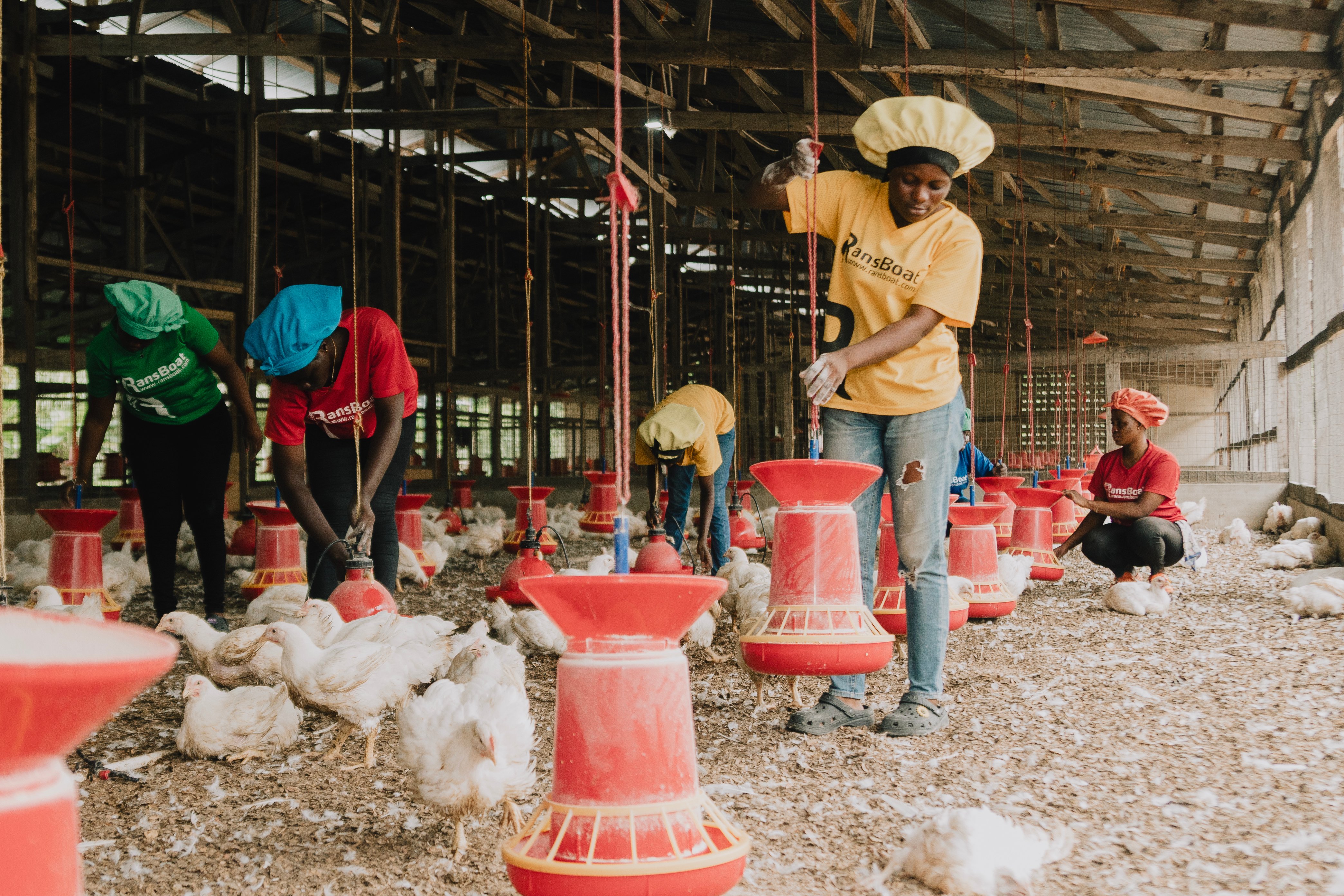
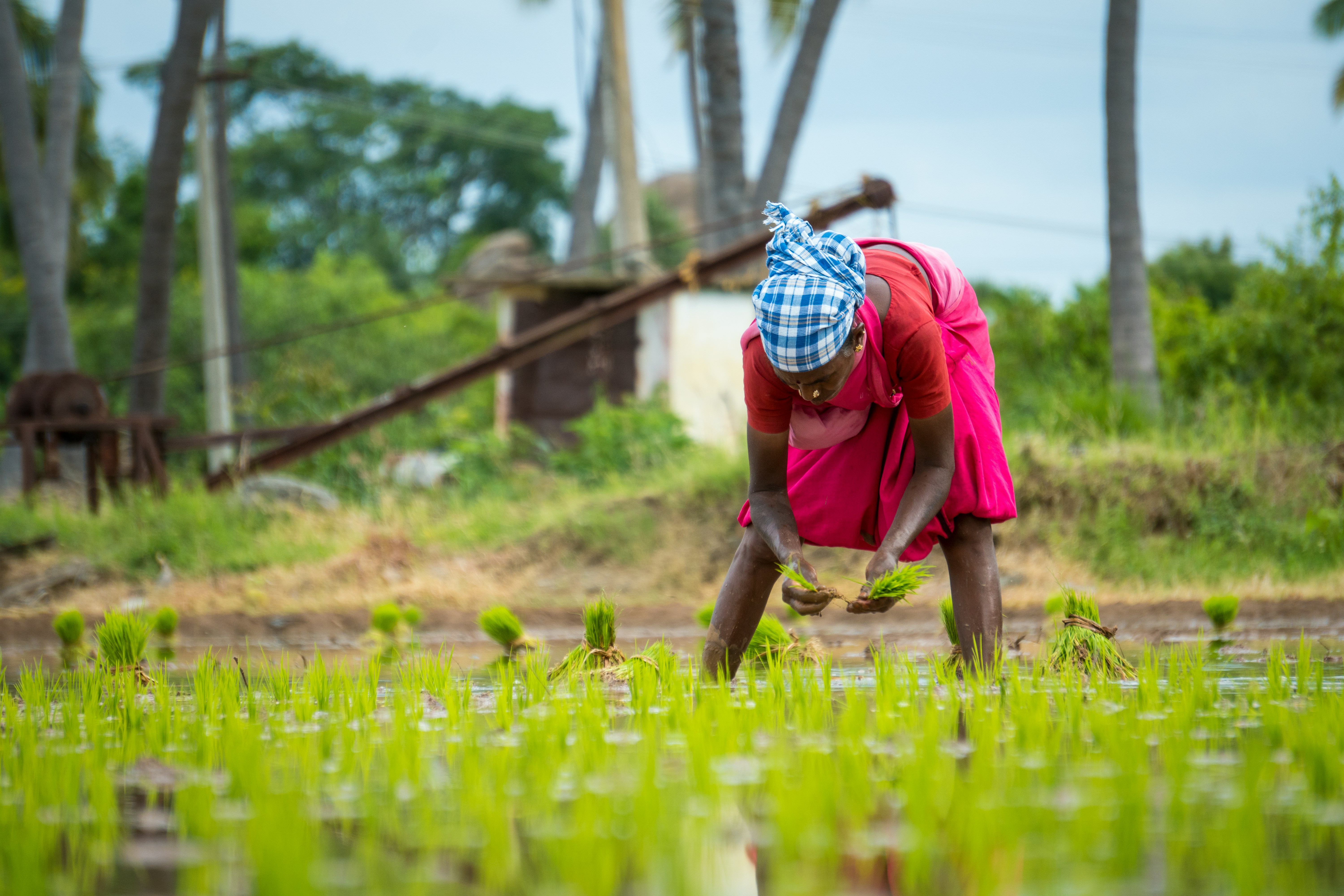
Expanding Ghana’s Agricultural Sector Through Blended Finance
Sub-Saharan Africa


About the Client
The Mastercard Foundation works with visionary organizations to advance education and financial inclusion to enable young people in Africa and Indigenous youth in Canada to access dignified and fulfilling work.
Engagement
CrossBoundary Advisory co-designed with the Mastercard Foundation and now implements the Building Resilience and Investing in the Development and Growth of Entrepreneurs in Agriculture (BRIDGE-in Agriculture) Platform, a five-year initiative designed to impact 400,000 young people in Ghana. The program directly contributes to the Mastercard Foundation’s Young Africa Works strategy, which aims to enable 30 million young people across Africa to access dignified and fulfilling work.
Approach
CrossBoundary Advisory and the Mastercard Foundation co-created a blended finance platform to expand affordable capital for businesses operating in agriculture and related sectors. In Ghana, high interest rates, often around 35%, and perceptions of agriculture as high-risk restrict SMEs’ access to financing. The program addresses these challenges by providing partner banks with a first-loss facility, alongside interest-free capital for on-lending, enabling them to extend financing to SMEs in agriculture and adjacent sectors at single-digit interest rates.
To tackle this challenge, CrossBoundary Advisory leads a consortium of 10 partners, including six local banks, two training providers, and a technology platform. CrossBoundary Advisory works closely with partners to build a strong pipeline of SMEs and rigorously monitor impact, ensuring that financing and training translate into job creation and expanded opportunities for youth and women. It also supports partner banks to ensure systematic changes are implemented for SME lending in Agriculture to continue beyond the life of the platform.


Key Intervention Areas
Affordable capital for SMEs
Enable banks to provide low-interest loans to SMEs in agriculture and adjacent sectors

Bank capacity building
Strengthen partner banks’ expertise in agricultural lending through targeted training and advisory support

SME development support
Provide AgriSMEs with access to financing, business development support, and technical assistance.

Training and upskilling youth and women
Train and upskill young people and women to create or sustain dignified employment.

Ecosystem engagement
Foster collaboration across the agriculture ecosystem through events, networking, and strategic partnerships.



Key Results (by June 2028)
- $87 million lent to SMEs in agriculture and adjacent sectors at 7% interest rate
- Impacting over 400,000 young people in Ghana by creating and improving jobs, while providing training and skills development, 70% of participants are women

Related Insights
View all-
 CrossBoundary Group03.03.2026Blog
Information, trust, and capital: Insights from Africa Media Festival 2026
-
 CrossBoundary Advisory26.03.2026Article
Getting incentive design right: Lessons from a gender-smart financing pilot for energy access
-
 CrossBoundary Advisory24.03.2026White paper
First In, Many Follow: How Foundations are Anchoring the Next Wave of Blended Finance

Related Case Studies
View all-
 CrossBoundary Advisory
 United States
Facilitating U.S.-Africa Clean Tech Partnerships Through Market Intelligence and Transaction Support
-
CrossBoundary Advisory
Ghana
Expanding Ghana’s Agricultural Sector Through Blended Finance
-
 CrossBoundary Advisory
El Salvador
CrossBoundary Advisory
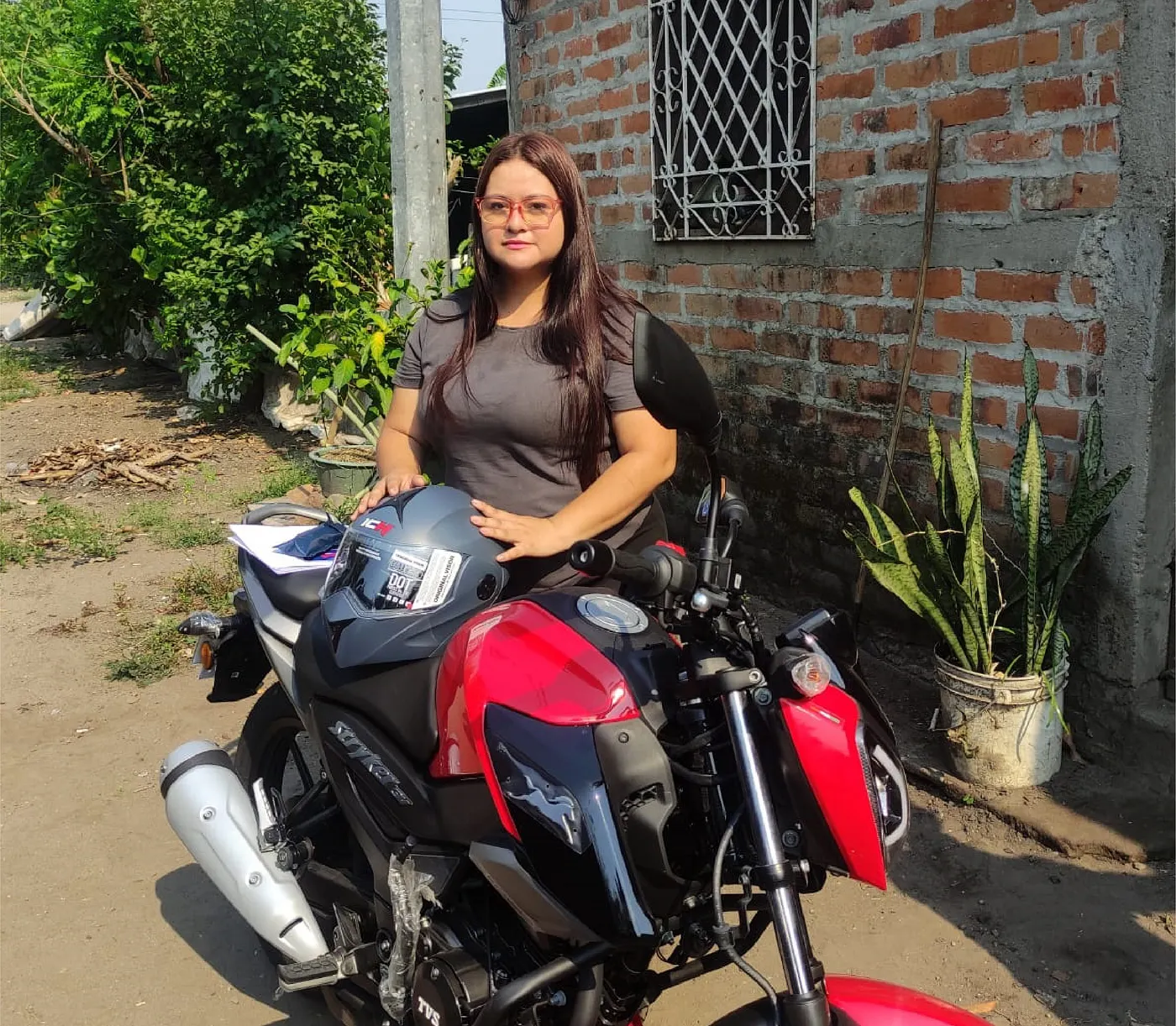
El SalvadorUnlocking $9M to Expand Inclusive Motorcycle Lending in El Salvador