Why investment in Africa stalls before financial close — and how to fix it
Africa's emerging markets continue to attract growing interest from investors seeking both commercial returns and measurable impact. That momentum is increasingly reflected in capital commitments.
Africa's emerging markets continue to attract growing interest from investors seeking both commercial returns and measurable impact. That momentum is increasingly reflected in capital commitments.
In 2025, the European Investment Bank, through EIB Global, deployed €3.1 billion across Africa, representing one-third of its total annual investment volume. During the same year, British International Investment committed £1.07 billion across the continent, accounting for nearly 60% of its global investments.
These commitments point to an important shift where the conversation is becoming less about whether capital is willing to invest in Africa’s growth sectors and more about why so many viable opportunities still struggle to reach financial close.
The challenge is often framed as a shortage of capital. Across the transactions CrossBoundary has supported, we’ve found that the bottleneck is often less about identifying opportunities and more about maintaining momentum once multiple institutions become involved. Healthy investment ecosystems are ultimately judged by whether each completed transaction makes the next one easier to execute.

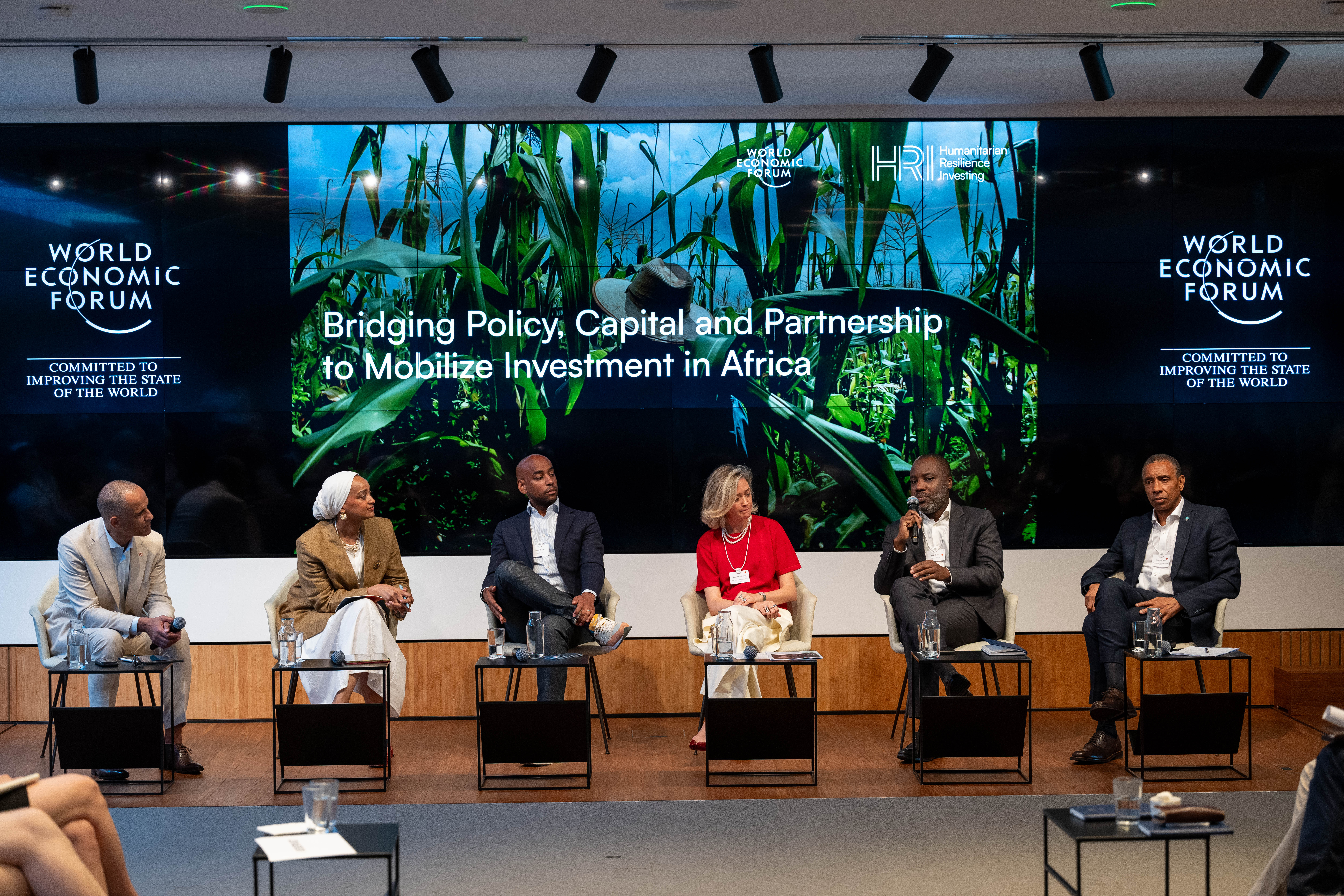
CrossBoundary Advisory Partner and Co-Head of Africa Advisory, Paul Ouma, at a recent World Economic Forum discussion on mobilizing investment in Africa
Every additional stakeholder introduces a different mandate, approval process, timeline, and definition of risk. Maintaining alignment over the life of a transaction often proves more difficult than identifying the opportunity itself. The ability to sustain momentum through that complexity is increasingly what determines whether capital is ultimately deployed.
Why investment opportunities in Africa fail to reach financial close
Much of the discussion around Africa’s investment gap focuses on generating more pipeline. Across many sectors, however, viable businesses and investment opportunities already exist.
Across the transactions we’ve supported, the point where momentum is lost is rarely the same, but the pattern is familiar. Commercial negotiations evolve, regulatory processes take longer than anticipated, new stakeholders enter the transaction, or investment committees request additional information that takes months rather than weeks to assemble. Individually, none of these issues is necessarily decisive. Collectively, they can prevent otherwise viable investments from reaching financial close.
These challenges are not anomalies. They reflect the reality of investing in emerging markets, where information is less standardized, transaction costs are higher, institutions continue to evolve, and trust often needs to be established alongside the transaction itself. The strongest investment ecosystems are those that develop the relationships, institutional capabilities, and transaction experience to navigate complexity consistently.
How to build repeatable investment ecosystems in Africa

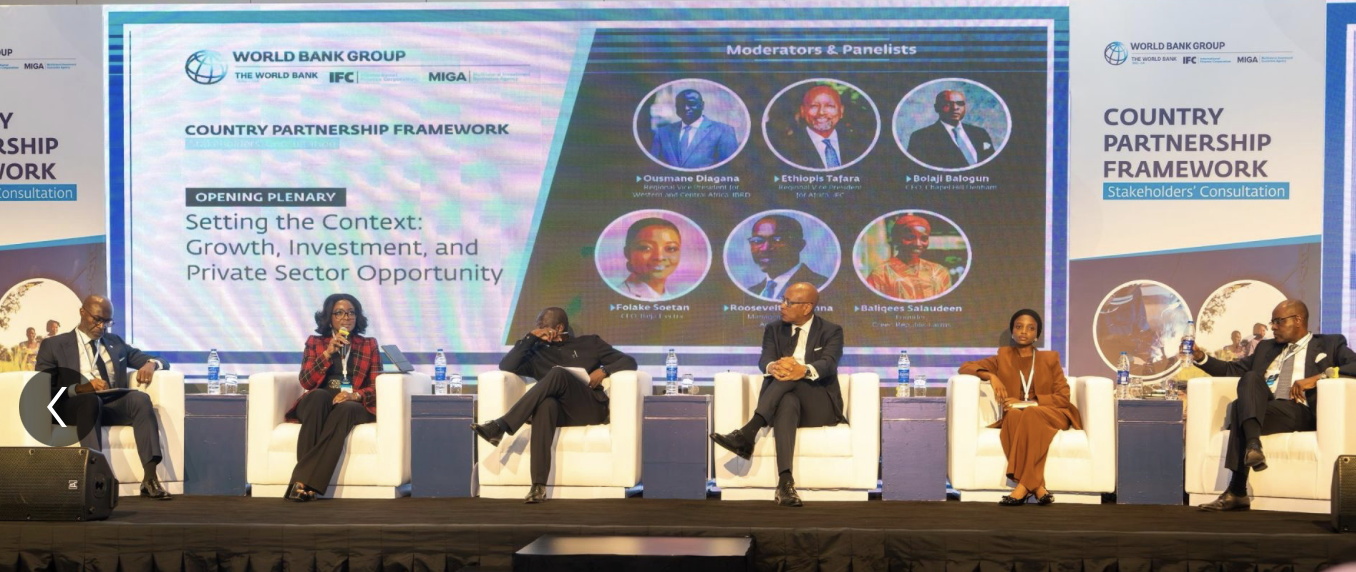
Karen Mutema, Principal at CrossBoundary Advisory, at the UNDP Resilience Investment Dialogue
That observation challenges how blended finance is often evaluated. Success is frequently measured by the amount of concessional capital deployed or the number of transactions completed. Those metrics matter, but a more meaningful question is whether each completed transaction leaves the market stronger than it found it. If it does, the value created extends well beyond the capital deployed.
This is a theme we recently explored in our paper, First In, Many Follow: How Foundations Are Anchoring the Next Wave of Blended Finance, which argues that blended finance is best understood as a structuring approach that enables different types of capital to participate according to their objectives, rather than as an investment strategy in its own right.
Viewed through that lens, the question is not simply whether catalytic capital helped close a transaction. It is whether that transaction changes how the market functions. At its best, a successful transaction establishes commercial precedents, strengthens local advisory capacity, builds investor confidence, improves institutional coordination, and reduces uncertainty for the investors that follow. Those outcomes are difficult to quantify, but they are often what determines whether investment becomes repeatable.
Our research also argues that demonstration effects are one of the most valuable forms of additionality. A blended finance structure should not only mobilize capital today, but also influence future market behavior so that similar investments can be replicated with less concessional support over time. As markets mature and stronger track records emerge, catalytic capital can then be redirected toward newer sectors, business models, or geographies where it addresses genuine market failures and has the greatest additionality.
What investment readiness in Africa really requires
Investment readiness extends beyond individual businesses. Strong governance, financial reporting, and business planning remain essential, but transactions move more efficiently when founders, advisors, investors, development partners, and public institutions share a clearer understanding of process, expectations, and risk allocation. In many cases, preparing the market is just as important as preparing the business.
How to measure investment success in Africa
For years, the discussion around investing in Africa has centered on mobilizing more capital. That focus remains important, but as capital becomes increasingly available, the more useful question is whether investment ecosystems are becoming better at converting opportunities into completed transactions.
Markets mature incrementally. Every successful transaction creates a stronger track record, builds institutional confidence, establishes commercial precedents, and lowers uncertainty for the investors that follow. Those cumulative gains often matter far more than any individual deal because they make future investment easier.
The health of an investment ecosystem should therefore be measured not only by the capital it attracts today, but by whether each completed transaction makes investment more repeatable tomorrow.
Related Insights
View all-
 CrossBoundary Advisory14.04.2026Article
What the world’s largest EM credit dataset reveals about real risk in emerging markets
-
 CrossBoundary Advisory25.02.2026Blog
What the World Bank’s Country Partnership Framework (CPF) Consultations revealed about unlocking private capital in Nigeria
-
 CrossBoundary Group10.12.2024Article
Q&A with CrossBoundary Managing Partners