Can standardized battery packs make second-life batteries cheaper, easier to repair and more scalable?
CrossBoundary’s Innovation Lab and SLS Energy are developing and testing a standardized second-life battery pack design that aims to reduce assembly costs, simplify repairs and support wider use in electric mobility and stationary energy storage. This work forms part of CrossBoundary Innovation Lab’s second-life battery initiatives, funded by the Transforming Energy Access (TEA) platform. TEA is funded by the UK government’s Foreign, Commonwealth & Development Office (FCDO) through its Global Research and Technology Development (GRTD) portfolio and is part of the UK’s Ayrton Fund.


CrossBoundary’s Innovation Lab and SLS Energy are developing and testing a standardized second-life battery pack design that aims to reduce assembly costs, simplify repairs and support wider use in electric mobility and stationary energy storage. This work forms part of CrossBoundary Innovation Lab’s second-life battery initiatives, funded by the Transforming Energy Access (TEA) platform. TEA is funded by the UK government’s Foreign, Commonwealth & Development Office (FCDO) through its Global Research and Technology Development (GRTD) portfolio and is part of the UK’s Ayrton Fund.
As electric vehicle adoption grows, more batteries will reach the end of their first life, creating opportunities to repurpose them for electric mobility and stationary energy storage.
However, battery repurposing remains challenging. To understand the challenges facing battery manufacturers and repurposers, the study engaged seven companies working across electric mobility, battery repurposing and stationary energy storage.
Bespoke pack designs, reliance on welding and limited component standardization increase assembly costs, complicate repairs and make it difficult for manufacturers to achieve economies of scale.
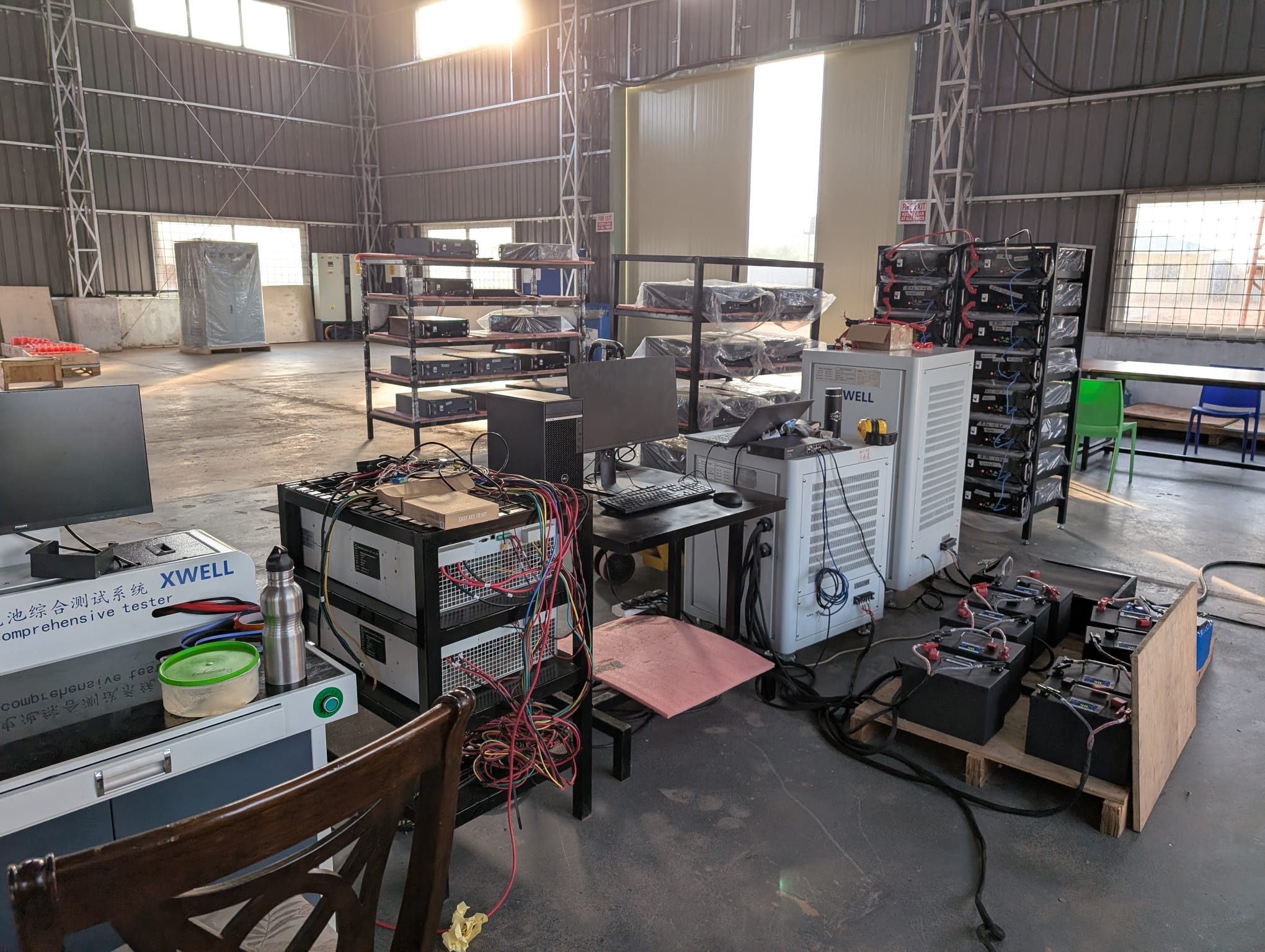
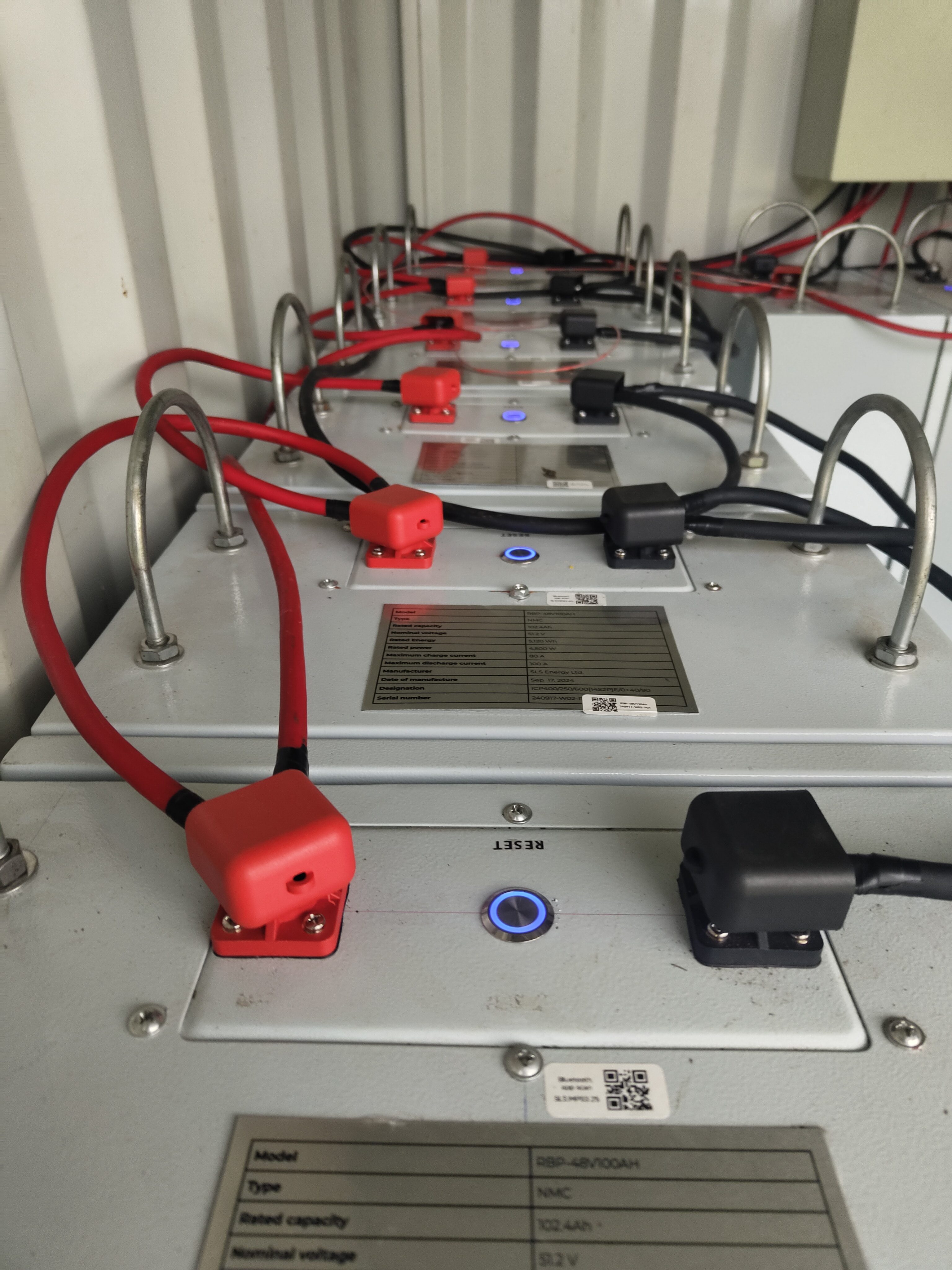
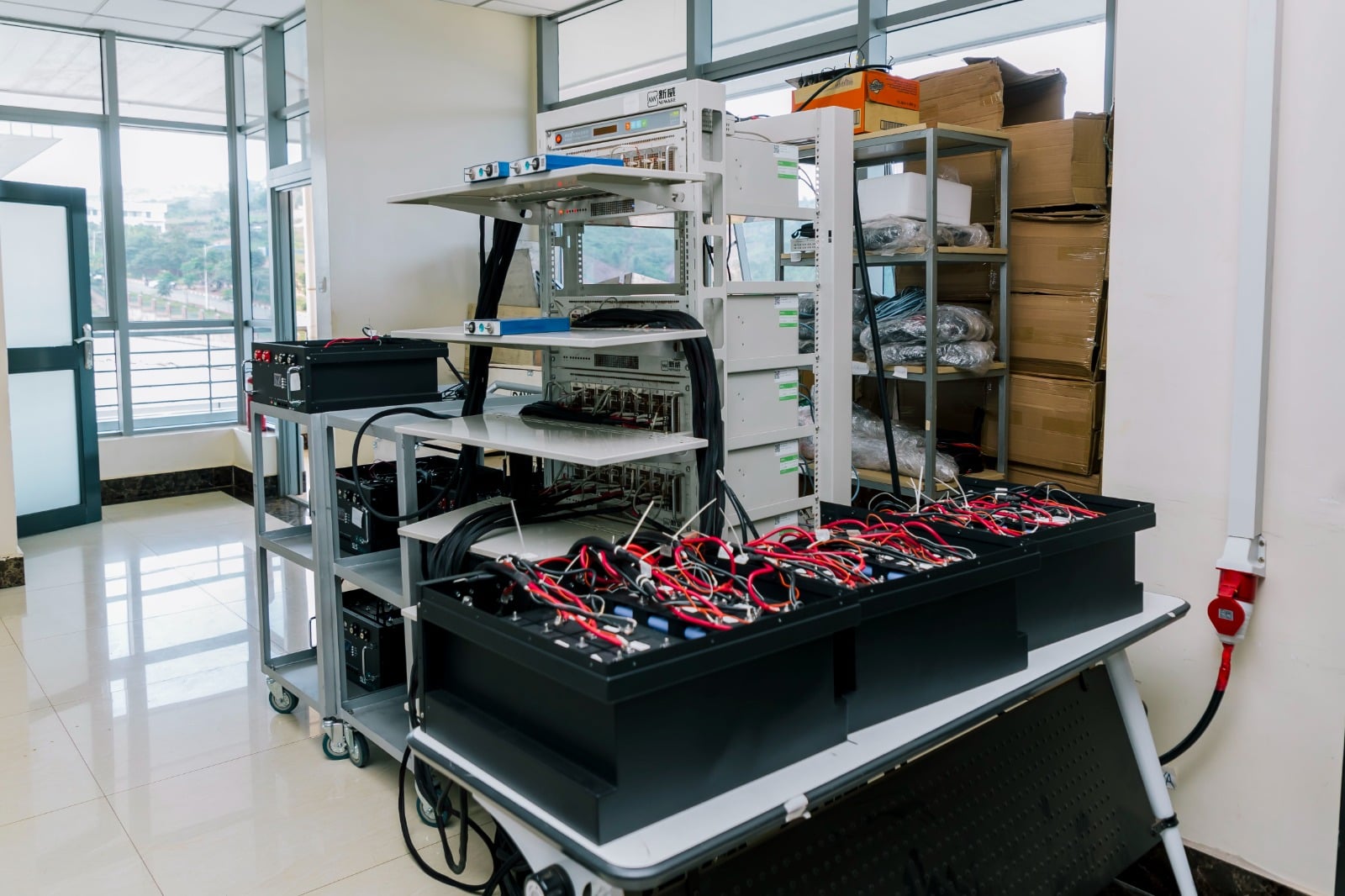
To address these challenges, CrossBoundary’s Innovation Lab, in partnership with SLS Energy, is developing and testing a standardized, recoverable second-life battery pack design.
The proposed solution uses a common battery module that can be configured for four applications: e-bicycles, e-motorcycles, e-tricycles and stationary energy storage. Rather than designing a different battery pack for each application, the architecture allows battery capacity to be adjusted by changing the number of modules, while retaining common components and assembly processes.
The design also replaces conventional welded cell connections with a mechanical compression system, using brackets and screws to hold cells together and maintain electrical contact. This allows packs to be assembled using standard hand tools and individual modules to be accessed and replaced when needed.
Together, these design features aim to:
- Simplify assembly by eliminating the need for specialized welding equipment.
- Improve repairability by allowing weaker modules to be replaced without discarding the entire battery pack.
- Enhance recoverability by making components easier to disassemble for further reuse or recycling.
- Support manufacturing at scale by enabling different battery applications to share common components and production processes.
The initiative targets a 50% reduction in battery assembly costs, while supporting local manufacturing and wider adoption of second-life batteries.
Interested in learning more? Explore SLS Energy’s battery pack design analysis and technical drawings for a closer look at the proposed architecture, its applications and opportunities for standardization.
Read the full design overview and technical drawings
What’s next? Beyond the prototype, the Innovation Lab and SLS Energy will explore pathways towards establishing a recognized industry standard, including engagement with relevant national, regional and international standards bodies. We will also host a webinar to share deeper insights from the design and prototype testing, discuss opportunities for wider industry adoption, and gather feedback from battery manufacturers and other stakeholders.
Funded by

Related Insights
View all-
 CrossBoundary Advisory19.10.2026Article
Second-Life Battery Diagnostics Testing Protocols – Stakeholder Workshop Readout
-
 CrossBoundary Advisory16.10.2026Article
Cross-Border Movement of Second-Life Batteries in Africa – Stakeholder Workshop Readout
-
Innovation Lab29.05.2026Article
Second-life batteries could help scale energy access in Africa, but efficient cross-border movement will be critical to deployment at scale